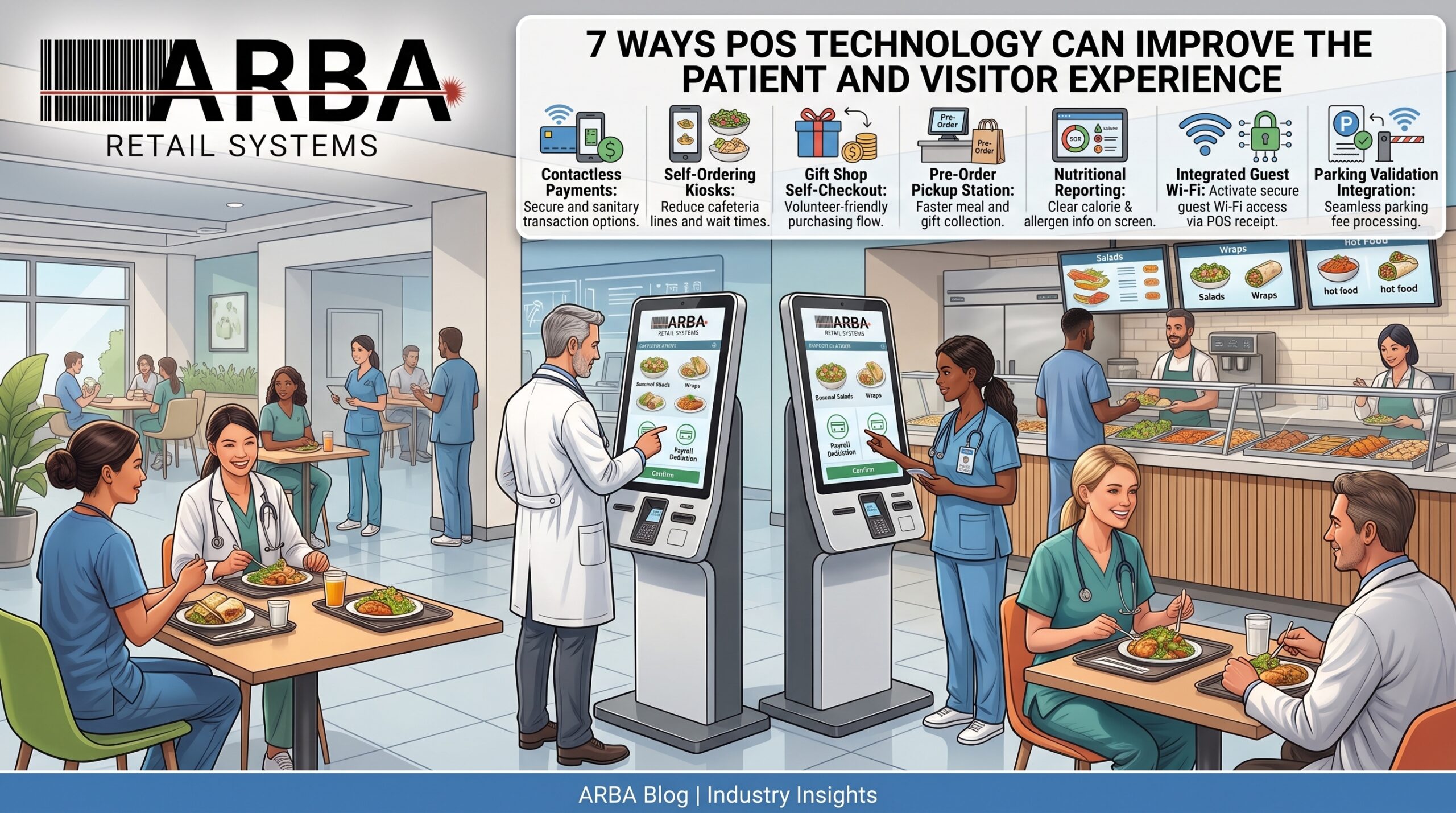
A hospital visit is rarely a planned or stress-free event. Whether a patient is arriving for a procedure or a family member is waiting anxiously in a lobby, the hospital environment can feel overwhelming. While clinical care is always the primary focus, the non-clinical amenities—specifically dining and retail options—play a massive role in shaping the overall patient and visitor experience.
By upgrading to a modern Healthcare POS ecosystem, hospitals can remove friction, reduce wait times, and provide a welcoming environment during difficult times. Here are seven ways technology is transforming the non-clinical hospital experience.
1. Self-Service Ordering Kiosks
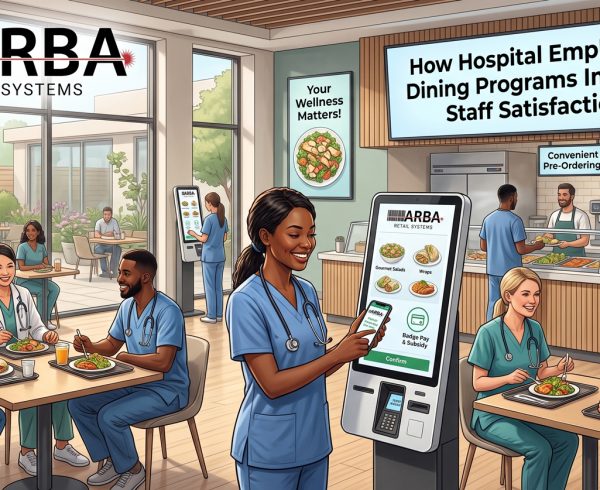
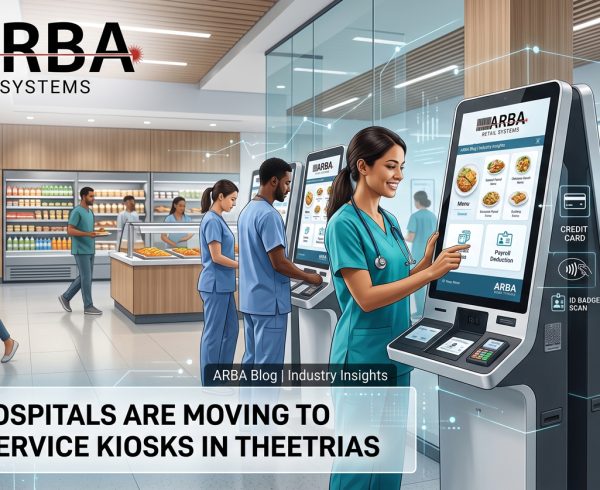
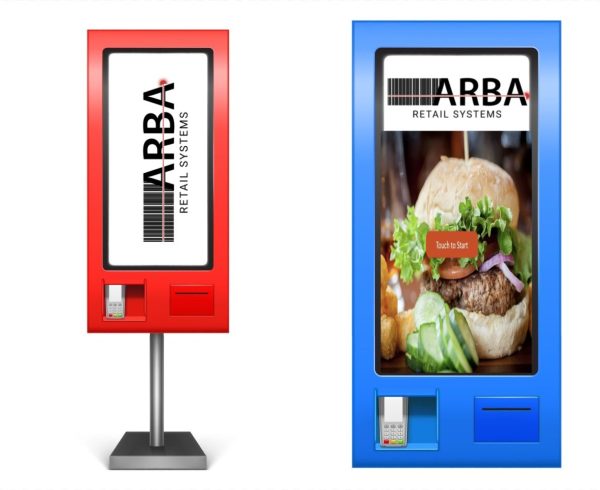
Long lines in the cafeteria are a major pain point for visitors who want to quickly grab a meal and return to their loved ones. Implementing self-service kiosks allows guests to bypass the traditional cashier line, customize their orders on a touchscreen, and pay immediately. This expedites the ordering process and keeps the cafeteria flowing smoothly during peak lunch rushes.
2. Cashless and Contactless Payments
Hygiene is paramount in a medical facility. Visitors do not want to handle physical cash, and cashiers want to minimize contact. A modern Cashless POS System supports tap-to-pay credit cards, Apple Pay, and Google Wallet. This not only speeds up the transaction but also provides a safer, more sanitary checkout experience for everyone on campus.
3. Mobile Ordering Capabilities
Family members often do not want to leave a patient’s room to go hunt for food. Implementing mobile ordering allows visitors to scan a QR code in the room or waiting area, browse the cafeteria menu on their smartphone, and place an order for pickup. This convenience keeps visitors anchored where they are needed most while still granting them access to hot meals.
4. Automated 24/7 Micro-Markets
Hospitals operate around the clock, but traditional cafeterias often close after dinner. For a family member waiting during the night shift, a vending machine is a poor substitute for a real meal. Unattended micro-markets equipped with self-checkout kiosks allow visitors to access fresh salads, sandwiches, and premium beverages 24 hours a day, paying autonomously via card or mobile wallet.
5. Digital Menu Boards with Nutritional Transparency
Medical facilities serve guests with strict dietary requirements. Static, printed menus make it difficult to communicate nutritional information or daily specials. Digital signage integrated directly with the Hospital Cafeteria POS automatically updates to display calorie counts, allergen warnings, and out-of-stock items in real-time, helping visitors make safe and informed dietary choices.
6. Streamlined Gift Shop Checkouts
The hospital gift shop is a place of comfort, where visitors buy flowers, cards, and reading material. Upgrading to a specialized Retail POS ensures these shops run efficiently, even when staffed by volunteers. Fast barcode scanning, intuitive touchscreens, and integrated credit card processing keep lines short and the shopping experience pleasant.
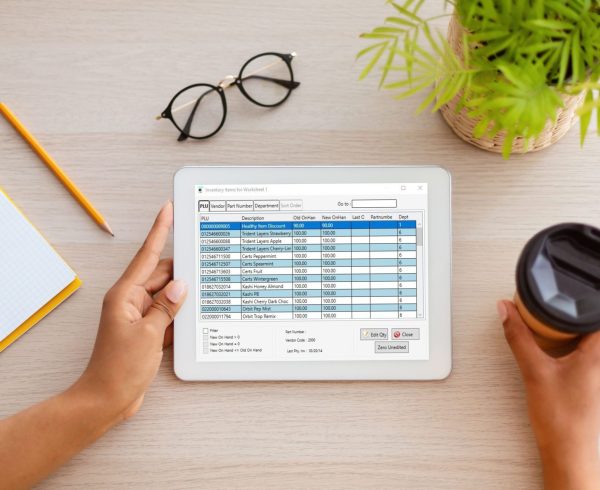
ARBA Retail Systems has been serving hospital gift shops for nearly 40 years. During that time, we have continued to evolve our software based on the day-to-day needs of gift shop managers, staff, and volunteers. Features such as item aliases for easier product lookup, streamlined physical inventory tools, barcode scanning, inventory management, and simplified checkout workflows have been developed and enhanced specifically to make gift shop operations easier and more efficient.
Improving the visitor experience doesn’t require a massive architectural overhaul. Sometimes, it just takes the right software. Learn how the enterprise solutions at ARBA Retail Systems can elevate your campus amenities.